The key to preventing mold in a humid Florida home is controlling moisture. Keep indoor humidity below 60% (ideally 30% to 50%, per the EPA), run your AC and exhaust fans, fix leaks promptly, dry wet materials within 24 to 48 hours, and regularly clean the bathrooms, closets, and window tracks where moisture collects.
In Gainesville, humidity isn’t a season. UF Housing points out that the city’s humidity is constant and advises residents to keep rooms clean, run the AC regularly, and report HVAC problems right away. That advice works for every home in Alachua County. Here’s how to put it into practice.
Why Mold Loves Florida Homes
According to a UF/IFAS Extension article, mold needs three things to grow: moisture, a food source such as drywall or dust, and warm temperatures. Florida supplies warmth for most of the year and plenty of moisture. Your home supplies the food. Since you can’t change the climate, the levers you control are moisture and cleanliness.
The EPA puts it simply: the key to mold control is moisture control.
What Indoor Humidity Should You Aim For?
Agencies phrase the target slightly differently, but they all point the same direction: lower is better.
| Source | Recommended indoor relative humidity |
|---|---|
| EPA | Below 60%, ideally 30% to 50% |
| CDC | As low as you can, no higher than 50%, all day long |
| UF/IFAS Extension | Generally around 55% or lower |
You can’t manage what you don’t measure. UF/IFAS suggests monitoring with an inexpensive hygrometer or a thermostat with a built-in humidity sensor. Check a few rooms, including a bedroom and the bathroom farthest from your AC return.
Room-by-Room Mold Prevention
Bathrooms
- Run the exhaust fan during every shower and for a while after. The CDC recommends kitchen and bathroom exhaust fans that vent to the outside.
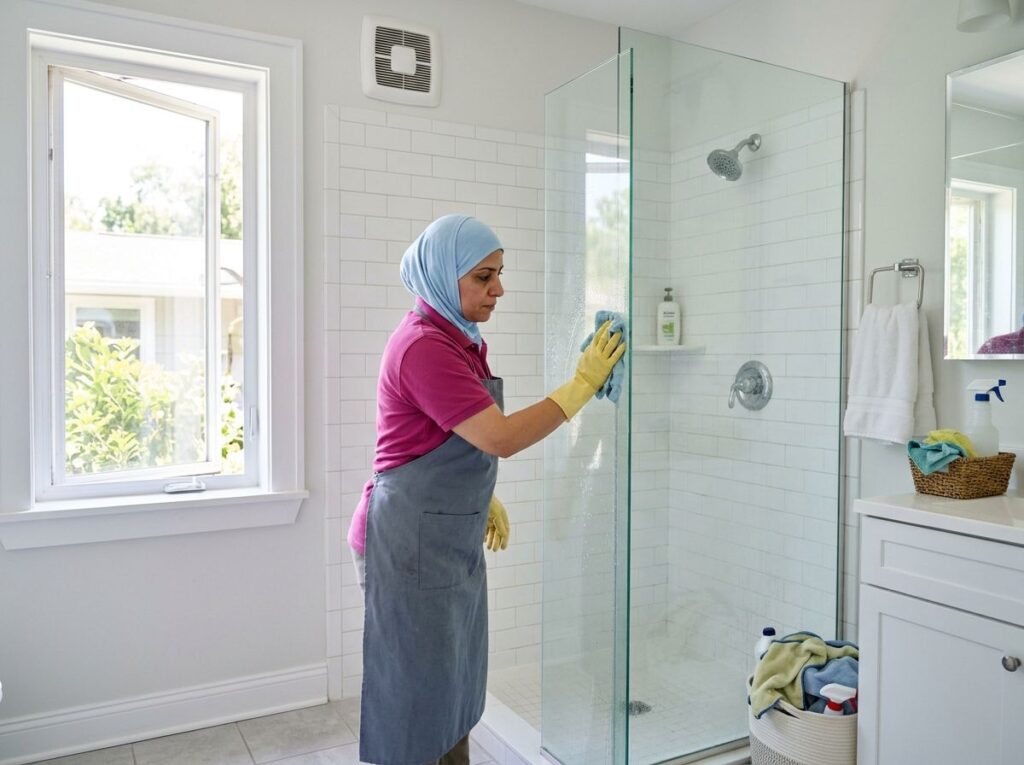
- Squeegee or towel off shower walls and glass after use.
- Hang towels and bath mats to dry fully; don’t leave them in a heap.
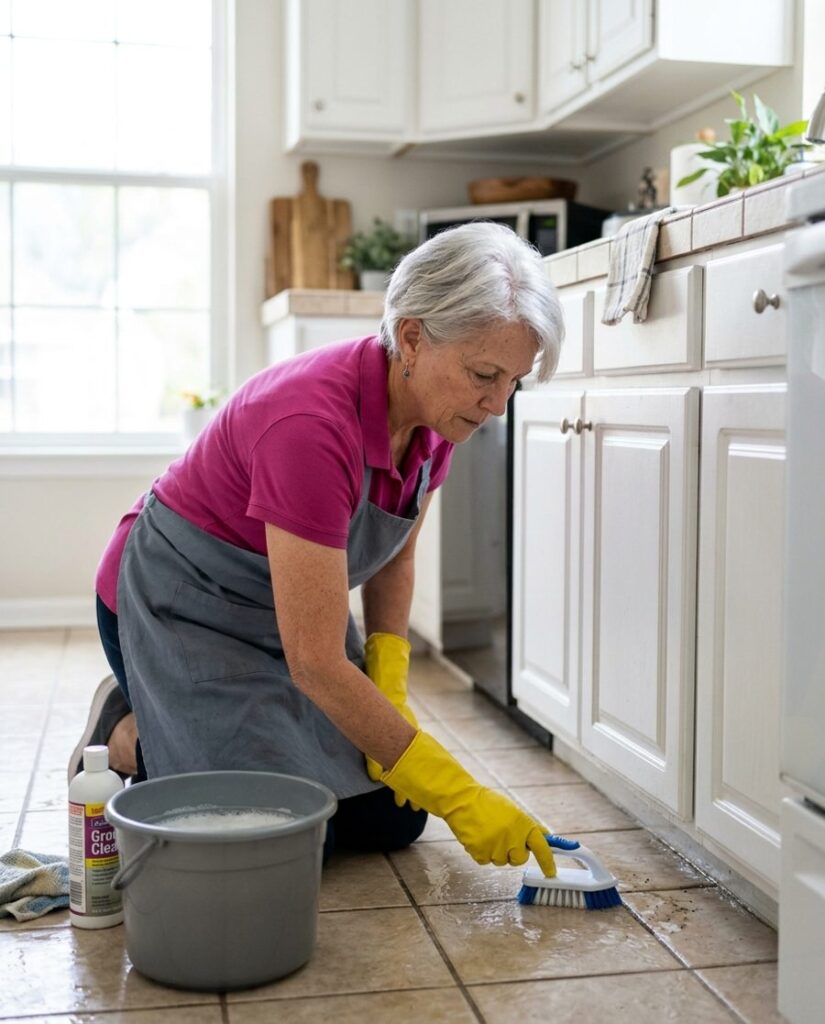
- Scrub grout and caulk regularly so mildew can’t settle in.
- Clear hair from drains, as UF Housing recommends.
Kitchen
- Use the range hood when cooking, especially when boiling water.
- Check under the sink for slow drips every few weeks.
- Wipe the refrigerator’s door gaskets and empty the drip pan if yours has one.
Bedrooms and Closets
- Don’t overpack closets or under-bed storage. UF Housing recommends leaving space for airflow.
- Dry damp clothes, shoes, and gym gear before putting them away.
- Keep furniture a few inches off exterior walls so air can circulate.
Windows, Doors, and AC
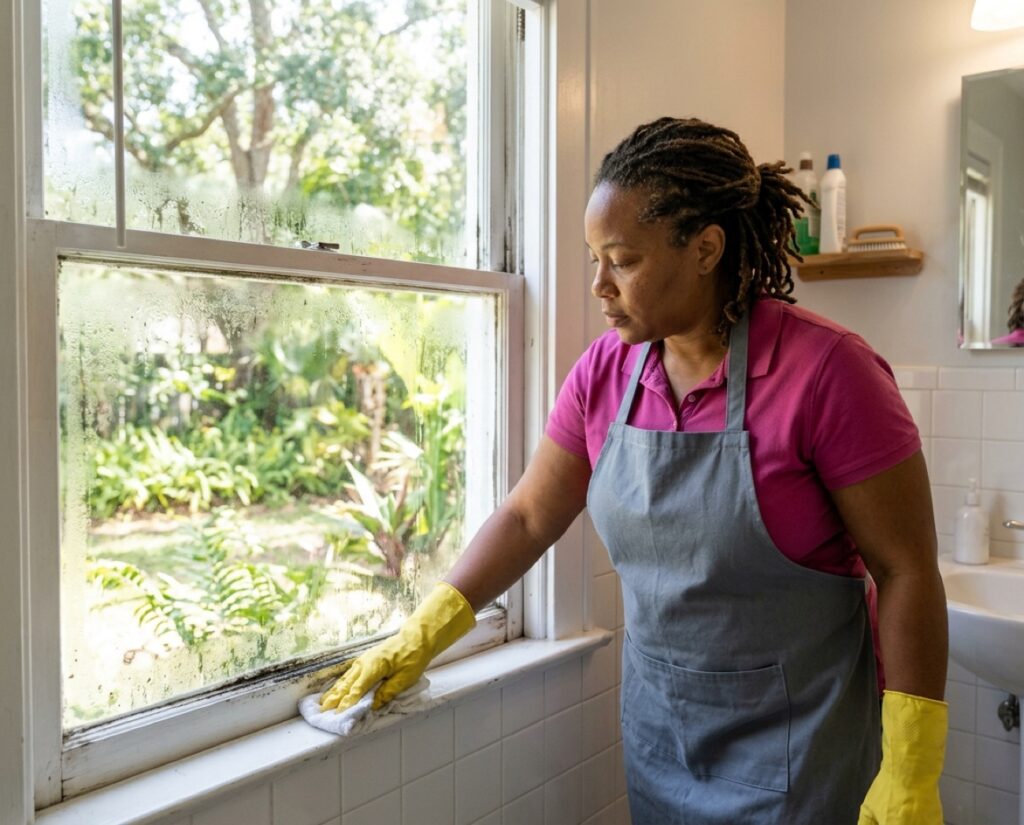
- Wipe condensation off windows and sills with a dry cloth.
- Clean sliding-door and window tracks, where moisture and dirt collect.
- Keep windows closed and the AC running during humid weather, per UF Housing.
- Change AC filters on schedule and keep vent covers clean.
- Fix roof, wall, and plumbing leaks quickly, as the CDC advises.
Act Fast When Water Gets In
Florida storms, AC drain-line clogs, and leaky water heaters happen. The EPA says to dry water-damaged areas and items within 24 to 48 hours to prevent mold growth. Pull up wet rugs, run fans, and get the AC or a dehumidifier working right away.
How to Clean Small Mold and Mildew Spots Safely
For small surface spots on hard, non-porous surfaces:
- Ventilate the room and wear gloves.
- For a gentler approach, UF/IFAS suggests diluted vinegar or diluted hydrogen peroxide.
- If you use bleach, the CDC recommends no more than 1 cup of household laundry bleach per 1 gallon of water.
- Never mix bleach with ammonia or other cleaners. The CDC is explicit on this.
- Bag used cloths and dry the area thoroughly afterward.
Prefer to skip harsh chemicals altogether? Our post on why eco-friendly cleaning matters explains the benefits of non-toxic products for everyday cleaning.
When to Call a Professional
The EPA says homeowners can often handle cleanup themselves if the moldy area is less than about 10 square feet. UF/IFAS recommends bringing in a professional for large infestations, persistent musty smells, suspected mold inside walls, or mold linked to health concerns. Those situations call for a mold remediation specialist, not a cleaning service.
A Simple Moisture Routine for Gainesville Homes
Mold prevention works best as a habit rather than a project. Here’s an easy rhythm:
- Daily: Run the bathroom fan during showers, hang towels to dry, and wipe obvious condensation.
- Weekly: Clean bathrooms, including a quick scrub of grout corners and caulk lines. Glance at your hygrometer.
- Monthly: Check under sinks and around the water heater and AC air handler for drips. Wipe window sills and tracks. Air out closets that stay shut.
- Seasonally: Replace AC filters on the manufacturer’s schedule, clean vent covers, and look for discoloration on ceilings and exterior walls, especially after summer storms.
If you’re away for a few weeks, don’t shut the AC off entirely. Ask your HVAC professional about a setting that keeps humidity in check while you’re gone.
How Regular Cleaning Helps Prevent Mold
Dust is food for mold, and the spots where mildew starts, like grout, caulk, window tracks, and vent covers, are exactly the spots that get skipped in a busy week. Consistent cleaning removes that food source and catches small spots before they spread.
A periodic deep cleaning is a good time to scrub surface mildew from grout and tracks, and recurring cleaning keeps bathrooms from sliding backward between visits. See the difference in our guide to deep cleaning vs. regular cleaning. For the health side of skipping cleaning, read the cost of not cleaning.
Want help keeping your home fresh in Gainesville’s humidity? Request a free, no-obligation quote.
Frequently Asked Questions
What humidity level causes mold?
There’s no single cutoff, but agencies agree on keeping it low. The EPA advises below 60% (ideally 30% to 50%), and the CDC says no higher than 50%. Sustained higher humidity makes mold more likely.
Does running the AC prevent mold?
It helps. Air conditioning removes moisture as it cools. UF Housing advises keeping windows closed and the AC running, and reporting HVAC problems promptly. Pair it with exhaust fans and leak repairs.
Can house cleaners remove mold?
Cleaners can handle surface mildew on hard surfaces like grout, caulk, and tile during regular or deep cleaning. Large areas (over about 10 square feet, per the EPA), mold inside walls, or water-damaged materials need a mold remediation professional.